
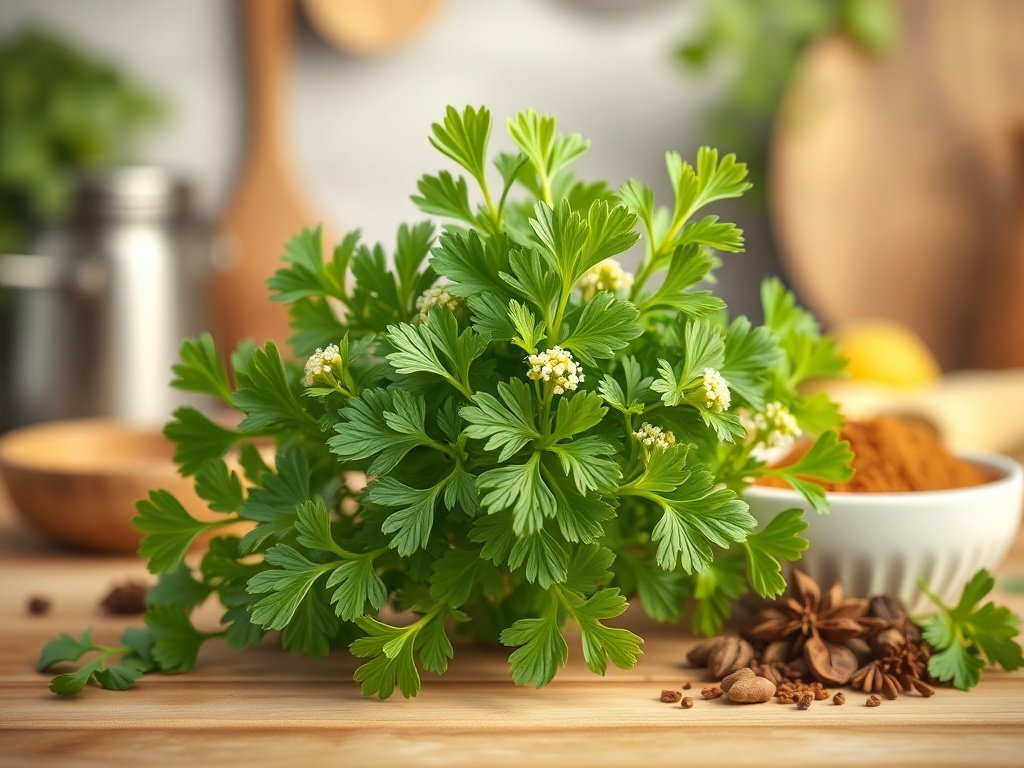
Koriandri is a fragrant culinary herb commonly known as coriander or cilantro. It is widely used in Asian, Middle Eastern, and Mediterranean cuisines for its fresh flavor and digestive benefits. Rich in antioxidants, vitamins, and essential oils, it supports heart health, blood sugar balance, and immunity while enhancing the taste of countless dishes.
Koriandri, also called coriander or cilantro, is a versatile herb valued for both its culinary and medicinal properties. From fresh green leaves to aromatic seeds, every part of the plant offers unique benefits. It enhances flavor in curries, salads, soups, and chutneys while also providing powerful antioxidants, vitamins A and C, and digestive support. Modern research highlights its potential role in blood sugar regulation, cholesterol management, and inflammation reduction. Easy to grow at home and simple to incorporate into daily meals, this herb remains a staple in global kitchens. In this guide, you will discover its nutrition facts, health benefits, cooking uses, growing tips, and practical applications.
What Is Koriandri and Why Is It So Popular?
Koriandri is a fast-growing annual herb belonging to the Apiaceae family, the same group as parsley and celery. Its leaves are often called cilantro while its dried seeds are known as coriander spice. This dual-purpose nature makes it incredibly versatile in global cuisines. From South Asian curries to Mexican salsas, it plays a vital flavor-enhancing role.
Its popularity comes from its refreshing citrus-like aroma and subtle peppery undertone. Beyond taste, traditional medicine systems have used it for digestion and detoxification. The combination of culinary appeal and health advantages explains why this herb continues to thrive across continents and cultures.
Nutritional Profile and Key Compounds
Essential Vitamins and Minerals
This herb contains vitamin A, vitamin C, vitamin K, potassium, and small amounts of iron. These nutrients contribute to immune support, bone health, and cellular protection. Though used in small quantities, its micronutrient density makes it more valuable than many realize.
Antioxidants and Plant Oils
It also provides antioxidants such as quercetin and essential oils like linalool. These compounds help reduce oxidative stress and support metabolic balance. Antioxidants play a crucial role in protecting cells from damage caused by free radicals.
Health Benefits Backed by Research
Supports Heart Health
Studies suggest coriander seeds may help lower LDL cholesterol while maintaining healthy HDL levels. The natural compounds support improved lipid metabolism and circulation. A heart-friendly diet often includes herbs that provide both flavor and functional support.
May Help Regulate Blood Sugar
Some research indicates that seed extracts can enhance insulin sensitivity. This makes it a potential supportive addition for individuals managing glucose levels. However, it should complement medical advice rather than replace prescribed treatment.
Digestive and Detox Support
Traditional systems such as Ayurveda value koriandri for soothing digestive discomfort. It may reduce bloating and stimulate digestive enzymes, helping the body break down food efficiently. The mild diuretic effect also assists in flushing excess sodium from the system.
Incorporating it into warm teas or light soups can provide gentle digestive relief. Many households use coriander water prepared by soaking seeds overnight as a natural digestive tonic.
Culinary Uses Across the World
Asian and Middle Eastern Cuisine
In Indian curries and Thai soups, fresh leaves add brightness to rich dishes. Middle Eastern salads like tabbouleh rely on its freshness for balance. The herb pairs well with garlic, lemon, and chili.
Western and Latin American Dishes
Mexican salsa, guacamole, and marinades often feature chopped leaves for a fresh kick. In Western kitchens, seeds are used in pickling blends and spice rubs for roasted vegetables or meats.
How to Grow and Store Properly
Growing this herb at home is surprisingly simple. It thrives in well-drained soil with moderate sunlight. Seeds germinate quickly, usually within one to two weeks. Regular watering without waterlogging ensures healthy growth.
For storage, fresh leaves should be refrigerated in a breathable container. Seeds last longer when kept in airtight jars away from direct sunlight. Proper storage preserves aroma and potency.
Also read this: 03316302561 Who Called? Complete Guide to Identify Unknown Callers
Potential Side Effects and Precautions
While generally safe, excessive consumption may cause allergic reactions in rare cases. People sensitive to Apiaceae family plants should test small amounts first. Pregnant individuals should consult healthcare professionals before using concentrated extracts.
Moderation is key. Used as a culinary herb, it is considered safe for most individuals and integrates easily into balanced diets without complications.
Conclusion
Koriandri stands out as both a flavor enhancer and a natural wellness supporter. From improving digestion to adding freshness to meals, its versatility makes it indispensable in global cuisine. Backed by nutritional value and traditional wisdom, it bridges the gap between food and functional health. Whether grown in a backyard garden or purchased fresh from a market, incorporating it into daily cooking is a simple yet powerful step toward better taste and well-being.
FAQs
1. What is koriandri commonly known as?
It is commonly known as coriander or cilantro depending on whether referring to seeds or leaves.
2. Is it good for digestion?
Yes, it may help reduce bloating and stimulate digestive enzymes naturally.
3. Can it help with cholesterol?
Some studies suggest coriander seeds may support healthy cholesterol levels.
4. How can I use it daily?
Add fresh leaves to salads, soups, and curries or use seeds in spice blends.
5. Is it safe during pregnancy?
Culinary use is generally safe but medicinal extracts require medical advice.
6. How long does it take to grow?
It usually germinates within one to two weeks under proper conditions.
7. Are seeds and leaves equally healthy?
Both provide benefits but contain different nutrients and active compounds.
For more info: ventsinsights.co.uk
