
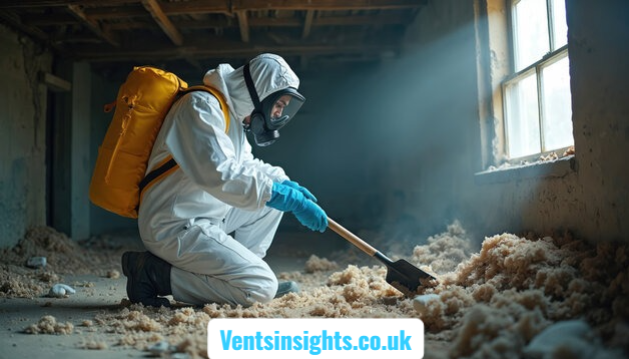
Asbestlint is a potentially hazardous material requiring careful handling and safety precautions. Proper protective gear, ventilation, and professional removal methods are crucial to prevent health risks. Avoid disturbing asbestos-containing materials and follow legal disposal guidelines to ensure safety. Awareness and correct handling significantly reduce exposure, protecting both personal health and the environment from contamination.
Asbestlint, commonly found in older buildings and industrial settings, is a type of asbestos material that can pose serious health risks if mishandled. This article provides a comprehensive guide to understanding its dangers, safety precautions, and effective handling techniques. From identifying asbestos-containing materials to using protective gear and following proper disposal methods, each step is essential for minimizing exposure. Professionals and DIY handlers alike benefit from knowing the correct procedures to prevent contamination. By implementing practical safety measures and adhering to regulations, individuals can protect themselves, their families, and their surroundings while managing asbestlint responsibly and efficiently.
Understanding Asbestlint and Its Risks
Asbestlint is a fibrous material made from asbestos that was commonly used in construction, insulation, and industrial products. Its microscopic fibers can become airborne when disturbed, posing serious respiratory risks if inhaled. Long-term exposure may lead to lung diseases such as asbestosis, mesothelioma, and even lung cancer. Awareness of its presence and understanding the hazards is crucial. Identifying areas where asbestlint may exist, such as old pipes, roofing materials, or wall panels, helps prevent accidental exposure and ensures proper safety measures are taken before handling or removal.
Identifying Asbestos-Containing Materials
Before handling any materials, it is vital to confirm whether they contain asbestos. Look for aging insulation, floor tiles, cement sheets, and pipe coatings, as these are common sources. If uncertain, professional testing kits or certified inspectors should be employed. Never attempt to break, cut, or sand potential asbestos materials as this releases harmful fibers. Accurate identification prevents accidental exposure and allows for planning proper safety precautions. Knowledge of typical asbestos-containing items and careful assessment are the first steps in safely managing asbestlint in homes or workplaces.
Safety Precautions When Handling Asbestlint
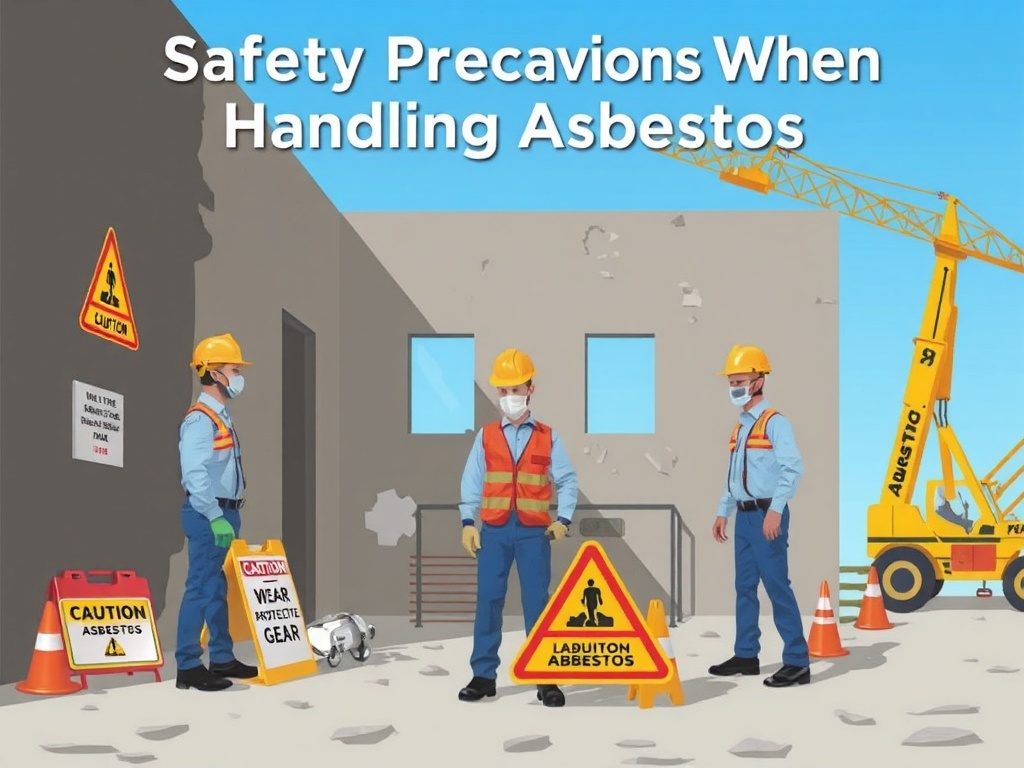
Handling asbestlint requires strict safety measures to minimize inhalation risks. Protective equipment, including respirators with HEPA filters, disposable gloves, and coveralls, is essential. Ensure the area is well-ventilated but avoid fans that may disperse fibers. Wetting materials before handling can reduce dust release. Work slowly and avoid breakage. Limit the number of people in the area, and always follow local regulations for asbestos management. These precautions significantly reduce the risk of fiber inhalation and protect both the individual and the environment during handling.
Proper Protective Gear and Equipment
Using the correct protective gear is critical when dealing with asbestlint. Respirators certified for asbestos filtration prevent dangerous fibers from entering the lungs. Disposable coveralls, gloves, and shoe covers reduce fiber contamination on clothing and skin. Eye protection prevents irritation. Dedicated cleaning materials, like damp cloths and HEPA vacuum cleaners, ensure that asbestos dust does not spread. Regularly inspecting and replacing protective gear ensures maximum safety. These simple yet effective measures protect anyone working with asbestlint, reducing the risk of long-term health complications associated with asbestos exposure.
Wet Methods to Reduce Fiber Release
Applying water or a suitable wetting agent before disturbing asbestlint helps prevent fibers from becoming airborne. Mist the material lightly without creating runoff to minimize environmental contamination. Wet methods are effective during removal, cutting, or cleaning operations. They reduce the chance of inhalation and cross-contamination. However, water should never be used on electrical installations unless the power is off. Implementing wet techniques alongside protective equipment ensures a safer approach when working with materials containing asbestos, making it a standard practice for professional and DIY handlers alike.
Safe Handling and Transport
Once asbestlint is carefully collected or removed, proper transport is crucial. Seal all materials in heavy-duty, labeled plastic bags or containers. Do not shake, drop, or compress materials unnecessarily, as this releases fibers. Clearly mark the bags as asbestos waste and follow legal guidelines for disposal. Transport containers in closed vehicles to prevent contamination. These precautions reduce exposure risks to handlers, the public, and the environment. Proper handling and containment are just as important as protective equipment, ensuring that the dangerous fibers never escape into the surrounding area.
Also read this: Provascin Benefits, Uses, Safety, Effectiveness, and Complete Medical Guide Explained
Legal Disposal Guidelines
Asbestlint disposal is strictly regulated to protect human health and the environment. Most countries require asbestos waste to be taken to approved landfills or handled by licensed contractors. Burning or dumping in general waste is illegal and highly dangerous. Proper labeling and documentation are often mandatory. Following these rules prevents environmental contamination and legal penalties. Individuals must research local regulations and seek professional help if unsure. Adhering to legal guidelines ensures that asbestlint is safely managed from removal to final disposal, maintaining both compliance and safety.
Minimizing Exposure in Residential Settings
If asbestlint is present in a home, limiting exposure is key. Avoid drilling, sanding, or breaking materials. Seal off areas and restrict access to children and pets. Consider professional encapsulation or removal if materials are deteriorating. Routine cleaning with HEPA vacuums and wet cloths prevents dust accumulation. Educating family members about the risks ensures everyone follows precautions. Small, informed steps at home can prevent accidental exposure, which is especially important since even minor inhalation can have long-term health effects over time.
Professional vs. DIY Removal
While some minor projects can be handled carefully by DIYers, professional asbestos removal is often safer and more efficient. Certified contractors have specialized equipment, training, and legal permissions to remove asbestlint safely. Professionals reduce the risk of fiber release and ensure proper disposal. DIY removal carries higher risks and may inadvertently spread fibers. Assess the project scope, and when in doubt, hire professionals to ensure health and legal safety. Responsible decision-making is key to managing asbestos risks effectively.
Emergency Response for Disturbance
Accidental disturbance of asbestlint requires immediate action. Evacuate the area and ventilate carefully without fans. Avoid sweeping or dry cleaning; use damp cloths or HEPA vacuums. Contact certified asbestos professionals to assess contamination and cleanup. Early response reduces the risk of fiber inhalation. Document the incident and follow local reporting procedures if required. Quick and methodical response ensures minimal exposure and prevents widespread contamination, protecting both individuals and the surrounding environment.
Long-Term Health Monitoring
Exposure to asbestlint may lead to long-term respiratory issues. Individuals who have handled asbestos should undergo regular medical checkups, including lung function tests and imaging if recommended. Early detection of symptoms like persistent coughing, shortness of breath, or chest pain is crucial. Maintaining records of exposure helps healthcare providers assess risks accurately. Awareness and proactive monitoring ensure timely intervention if health issues arise, complementing the preventive measures taken during handling and removal.
Safe Renovation Practices
During building renovations, identify areas containing asbestlint before work begins. Use containment barriers, warning signs, and wetting techniques to minimize fiber release. Assign trained personnel to work on high-risk areas. Avoid accidental damage to walls, ceilings, or pipes that may release asbestos fibers. Proper planning and cautious execution ensure renovations proceed safely without exposing workers or occupants to hazardous materials. Incorporating safety into renovation planning is a critical step for protecting both property and health.
Environmental Protection Measures
Asbestlint fibers can contaminate soil and water if improperly disposed of. Ensure all removal and transport procedures prevent leakage. Avoid dumping waste in unregulated areas. Environmental safety is as important as personal safety. By controlling airborne fibers and securely sealing waste, handlers prevent ecological hazards. Awareness of environmental impacts ensures responsible management of asbestos-containing materials. These measures preserve local ecosystems and prevent long-term contamination of natural resources.
Awareness and Education
Educating workers, families, and communities about asbestlint risks is essential. Training sessions, safety manuals, and clear labeling reduce accidental exposure. Awareness campaigns in schools, workplaces, and neighborhoods improve collective safety. Knowledge empowers individuals to take precautions seriously and recognize potential hazards early. Ongoing education reinforces safe habits and encourages compliance with legal and health standards, making asbestos management safer for everyone involved.
Conclusion
Asbestlint is a dangerous material that requires knowledge, caution, and strict adherence to safety protocols. From identification and protective gear to wet handling techniques, legal disposal, and environmental protection, each step reduces the risk of exposure. Professionals and informed individuals alike benefit from careful planning and education. Following these comprehensive safety tips ensures that asbestlint is managed responsibly, protecting both human health and the surrounding environment for years to come. Responsible handling is not optional—it is essential.
FAQs
Q1: What is asbestlint?
A: Asbestlint is a type of asbestos-containing material used in construction and industrial products.
Q2: How dangerous is asbestlint?
A: It is highly hazardous if fibers are inhaled, potentially causing lung diseases.
Q3: Can I remove asbestlint myself?
A: Small projects may be handled carefully, but professional removal is safer.
Q4: How do I protect myself while handling it?
A: Use respirators, gloves, coveralls, eye protection, and wet methods.
Q5: Where should asbestlint be disposed of?
A: Only at approved asbestos disposal facilities or landfills following local laws.
Q6: How can I tell if material contains asbestlint?
A: Professional testing or certified kits are needed for accurate identification.
Q7: Is long-term monitoring necessary?
A: Yes, regular checkups help detect early respiratory issues after exposure.
Fore more info: Ventsinsights.co.uk
